

Storm Water In Horsham
Storm Water Experts
8+ Years in Business • Personalized Attention • Complete In-House Site Services
J.D. Fedele Construction Demolition, Inc
What Is Storm Water?
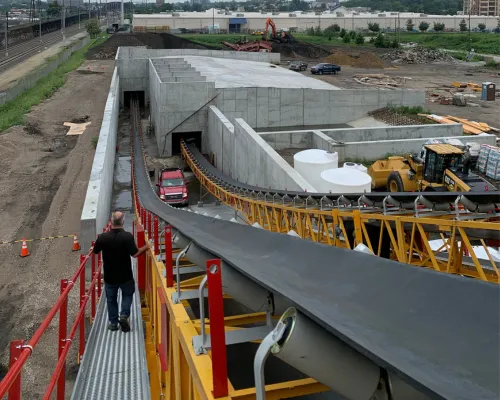
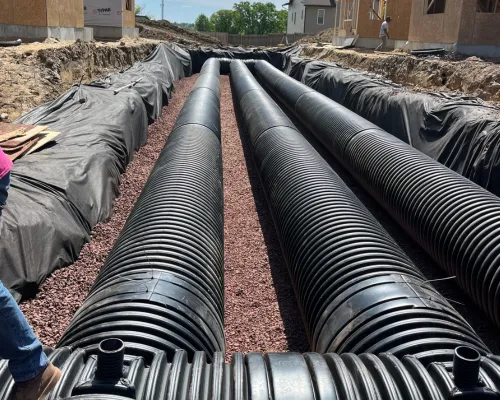
Storm water services involve managing rainwater and surface runoff through drainage systems designed to direct, collect, control, or temporarily store water. These systems can include storm drains, underground piping, inlets, catch basins, swales, detention areas, and related infrastructure. Proper storm water management helps protect developed properties, paved areas, buildings, roads, and surrounding land from uncontrolled runoff.
Professional installation begins with understanding elevations, drainage patterns, soil conditions, and expected water flow. Contractors excavate and prepare areas for required drainage components before installing pipes or structures. Effective storm water systems help move runoff appropriately while supporting safer, more functional developed property conditions.
J.D. Fedele Construction Demolition, Inc
When Is Storm Water Necessary?
Storm water improvements are necessary when rainwater collects around buildings, floods paved surfaces, erodes soil, overwhelms existing drainage, or creates recurring property problems. New construction and redevelopment projects may also require drainage infrastructure to manage increased runoff from roofs, parking lots, roads, sidewalks, and other surfaces that prevent water from naturally entering the ground.
Property owners may notice standing water, washed out soil, damaged pavement, saturated areas, or poor drainage after heavy rainfall. These conditions can indicate that runoff needs better management. Properly designed storm water systems help direct water toward appropriate collection, conveyance, storage, or discharge areas based on property requirements.
J.D. Fedele Construction Demolition, Inc
What Is Required For Storm Water?
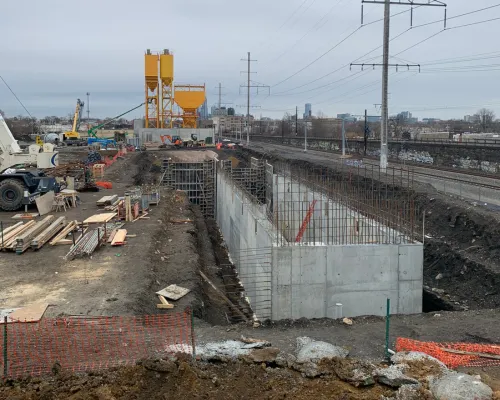
Storm water work requires site evaluation, drainage planning, proper elevations, suitable materials, excavation equipment, and installation methods appropriate for expected runoff conditions. Contractors must consider existing drainage patterns, soil characteristics, property slopes, nearby structures, paved surfaces, underground utilities, and available discharge locations. Project plans and local requirements may also determine specific system components needed.
Installation may involve excavation for pipes, catch basins, inlets, drainage structures, swales, or underground systems. Proper bedding, pipe connections, grading, backfilling, and compaction help support reliable performance. After installation, disturbed areas should be stabilized and finished appropriately so water can move through the intended drainage system effectively.
TESTIMONIALS
What Our Customers Say About Us
REVIEW US ON GOOGLE
⭐⭐⭐⭐⭐
The Process
3 Step Process For Your Storm Water Needs

Contact Us
Start by completing the 'Get a Free Quote' form on our website to share your Storm Water needs with us.

Schedule Your Estimate
Next, we'll arrange a property visit at a time that works for you to provide an in-person estimate for your Storm Water needs.

Get The Job Done
After you approve our estimate, we'll schedule a date to complete the job. Our team will work hard to exceed your expectations!
Request A Free Quote

GET A FREE QUOTE
BUSINESS
SERVICES
SERVICE AREAS
OPERATING HOURS
Sun: 24/7
Mon: 24/7
Tue: 24/7
Wed: 24/7
Thu: 24/7
Fri: 24/7
Sat: 24/7